How to Create a Personal Prayer Routine That Works for You


Understanding the Importance of a Personal Prayer Routine
Creating a personal prayer routine is about more than just setting aside time for spiritual reflection; it's about fostering a deeper connection with your faith and nurturing your soul. A well-established routine can provide structure, peace, and a sense of purpose in your daily life. Whether you're new to prayer or looking to enhance your existing practice, finding a method that resonates with you is crucial.
While some may prefer to follow traditional practices, others might seek a more personalized approach. The key is to ensure that your routine aligns with your beliefs and lifestyle, allowing you to engage meaningfully with your spirituality.

Identifying Your Personal Prayer Needs
Before establishing a routine, it's important to identify what you hope to achieve through prayer. Are you seeking guidance, expressing gratitude, or simply looking for peace and clarity? Understanding your goals can help tailor your routine to meet these needs effectively.
Consider reflecting on your current spiritual journey. Ask yourself what aspects of your prayer life are fulfilling and what areas might need more attention. This self-assessment will serve as a foundation for building a routine that resonates with you personally.
Setting the Right Environment
The environment in which you pray can significantly impact your experience. Choose a space that feels sacred and free from distractions. This might be a quiet corner in your home, a garden, or even a dedicated room for meditation and reflection.
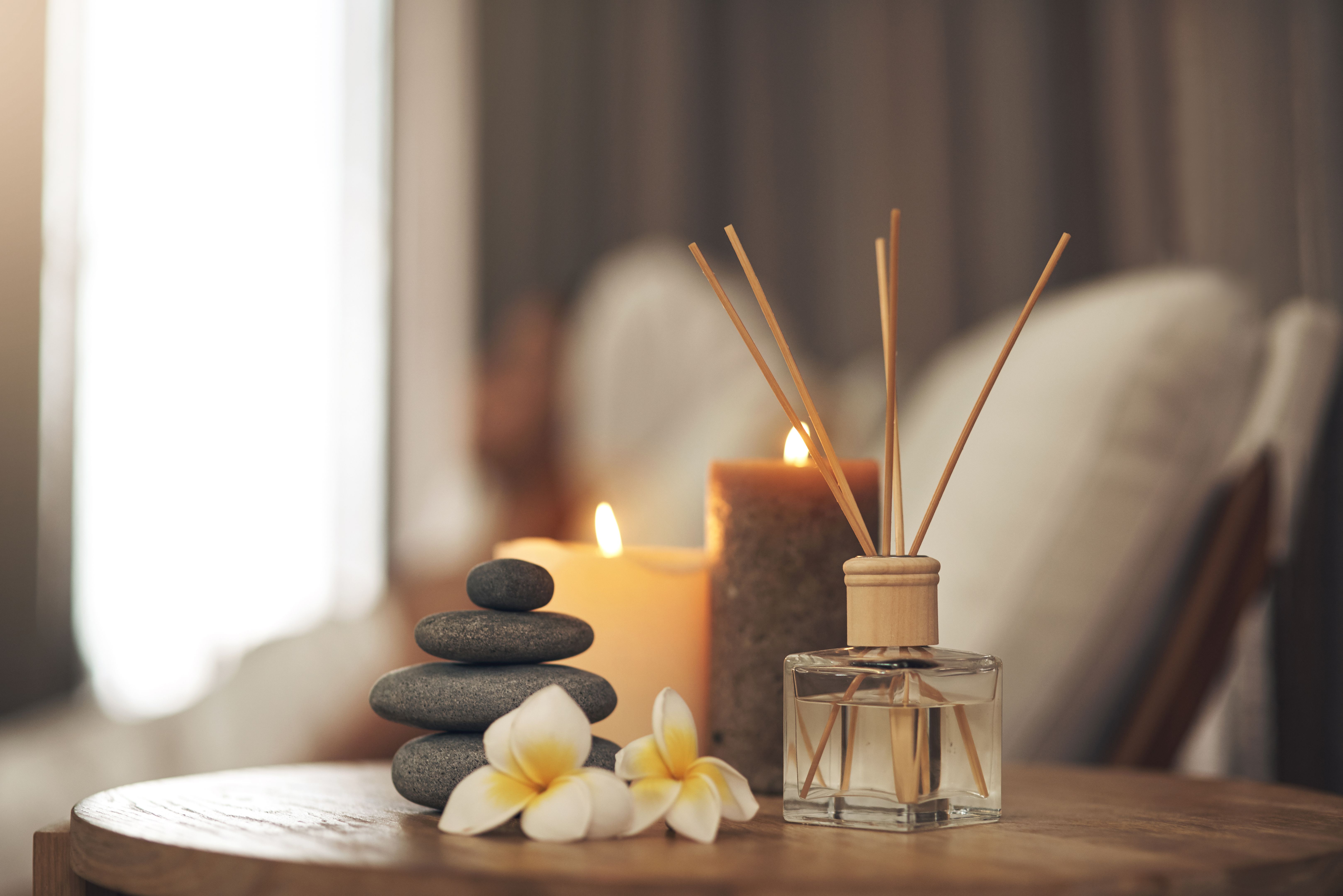
Ensure that this space is comfortable and conducive to tranquility. You might want to include elements that inspire you spiritually, such as candles, religious texts, or calming music. Creating an inviting atmosphere can enhance the quality of your prayer time.
Establishing a Consistent Schedule
Consistency is vital in cultivating any habit, including prayer. Determine a time of day when you are most likely to be undisturbed and can focus solely on your spiritual practice. Some may prefer the quietude of early mornings, while others might find solace in evening reflections.
Once you've identified the best time for your prayers, commit to it regularly. A consistent schedule helps reinforce the habit, making it easier to incorporate into your daily routine.
Incorporating Different Prayer Techniques
Prayer is deeply personal, and there are numerous ways to engage with it. Explore different techniques to find what resonates with you. Some options include:
- Meditative prayer: Focus on deep breathing and mindfulness.
- Journaling: Write down prayers, thoughts, or reflections.
- Scriptural reading: Incorporate passages from sacred texts.
- Guided prayers: Use audio or written guides to steer your focus.
Experimenting with various methods can keep your routine fresh and fulfilling.

Evaluating and Adjusting Your Routine
Your spiritual needs may evolve over time, so it's important to regularly assess your prayer routine. Consider whether it's still meeting your goals and bringing you the peace or clarity you seek. Don't hesitate to make adjustments as needed to better align with your current journey.
This flexibility ensures that your routine remains a source of strength and comfort, rather than becoming a monotonous task.
Seeking Support and Inspiration
If you're struggling to maintain consistency or find inspiration, consider reaching out to others who share your faith. Joining prayer groups or attending spiritual workshops can provide motivation and introduce new perspectives to enrich your practice.
Additionally, reading books or listening to podcasts on spirituality can offer fresh insights and encouragement to deepen your connection with your faith.

Creating a personal prayer routine is an ongoing journey that requires introspection, patience, and openness to change. By understanding your needs, setting the right environment, and exploring various methods, you can develop a practice that truly works for you. Remember, the most important aspect is that it nurtures your spiritual growth and aligns with your personal beliefs.