Guide to Hosting a Prayer Retreat in Tennessee: Tips and Best Practices


Why Choose Tennessee for Your Prayer Retreat?
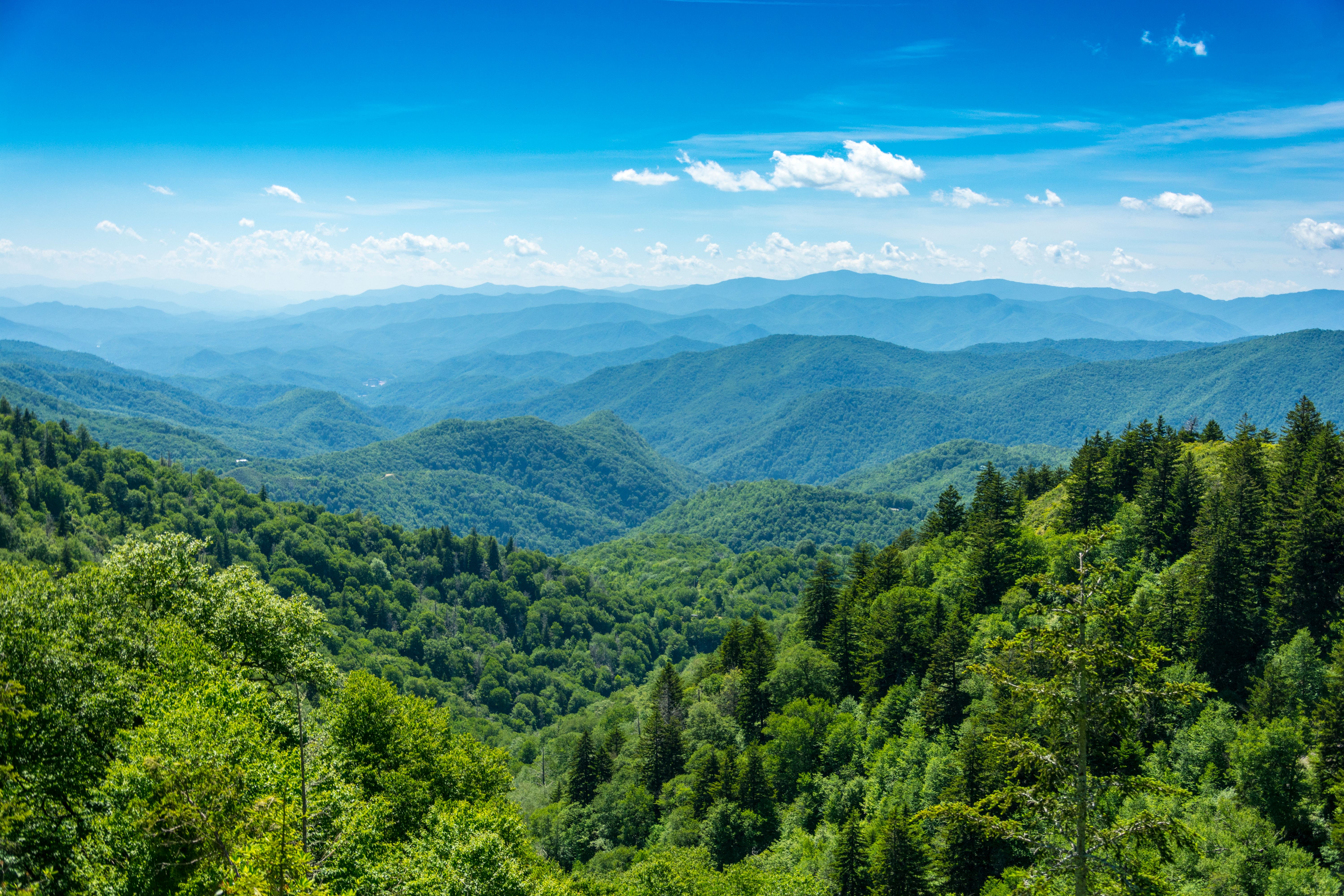
Nestled in the heart of the southern United States, Tennessee offers a serene landscape that is perfect for hosting a prayer retreat. With its rolling hills, lush forests, and tranquil rivers, the natural beauty of Tennessee provides a peaceful backdrop for reflection and spiritual growth. Whether you choose the Smoky Mountains or the peaceful countryside of Middle Tennessee, the state is brimming with locations that inspire and rejuvenate the soul.
Additionally, Tennessee's rich history and culture add a unique dimension to your retreat. Visitors can explore historic sites or enjoy the local music scene, providing both spiritual and cultural enrichment. The state's welcoming communities make it a hospitable destination for groups seeking a transformative experience.
Choosing the Perfect Venue
When planning your prayer retreat, selecting the right venue is crucial. Consider venues that offer ample space for both group gatherings and personal reflection. Retreat centers nestled in natural settings often provide amenities such as walking trails, meditation gardens, and chapels, enhancing the retreat experience.
It's important to assess the capacity of the venue to ensure it can accommodate your group comfortably. Some popular choices in Tennessee include secluded cabins, church retreat centers, and rustic lodges. These venues often offer flexible packages that can be tailored to meet your group's specific needs.

Essential Amenities
Make sure the venue provides essential amenities such as comfortable lodging, meeting spaces, and dining facilities. Accessibility is key, so consider locations that are easy to reach from major cities like Nashville or Knoxville. Adequate parking and transportation options should also be part of your planning checklist.
Crafting a Meaningful Schedule
A well-structured schedule is vital to maximizing the impact of your prayer retreat. Balance is key; aim to include a mix of group activities, personal reflection time, and communal worship. Start with setting clear objectives for your retreat and design activities around these goals.
Consider incorporating guided meditation sessions, scripture study groups, and evening worship services. Allow participants time to explore the natural surroundings individually or in small groups to foster personal introspection and connection with nature.

Engaging Activities
Interactive workshops or guest speakers can provide different perspectives and enhance spiritual understanding. Additionally, consider organizing outdoor activities like hiking or nature walks to promote physical wellness and relaxation. Remember to also include downtime for participants to relax and process their experiences.
Nurturing Community and Connection
A prayer retreat is not only an opportunity for personal growth but also for building community. Encourage participants to share their experiences and insights during group discussions or meal times. Creating a safe and open environment will foster deeper connections among participants.
Consider organizing small group sessions where individuals can express their thoughts in a more intimate setting. This can be particularly beneficial for participants who may feel more comfortable sharing in smaller groups rather than larger assemblies.

Follow-Up and Continuity
After the retreat concludes, maintaining the momentum and connections established can be invaluable. Plan follow-up meetings or virtual check-ins to continue the dialogue and support network formed during the retreat. Encourage participants to journal their experiences and share updates with the group as a way of nurturing ongoing spiritual development.
By implementing these tips and best practices, you can create a memorable and impactful prayer retreat in Tennessee that uplifts and inspires all who attend.