Exploring the Role of Prayer in Seasonal Celebrations


The Significance of Prayer in Celebrations
Throughout history, prayer has played a vital role in seasonal celebrations across various cultures and religions. It serves as a bridge connecting individuals to their spirituality, community, and the essence of the celebration itself. Whether it marks a time of thanksgiving, remembrance, or renewal, prayer is often at the heart of these traditions.
In many celebrations, prayer is not just a personal moment but a collective experience that unites communities. It fosters a sense of belonging and shared purpose, reinforcing the values and beliefs that bind people together. This communal aspect of prayer can be seen in events such as Christmas masses, Ramadan prayers, and Diwali pujas.
Prayer as a Reflection of Gratitude
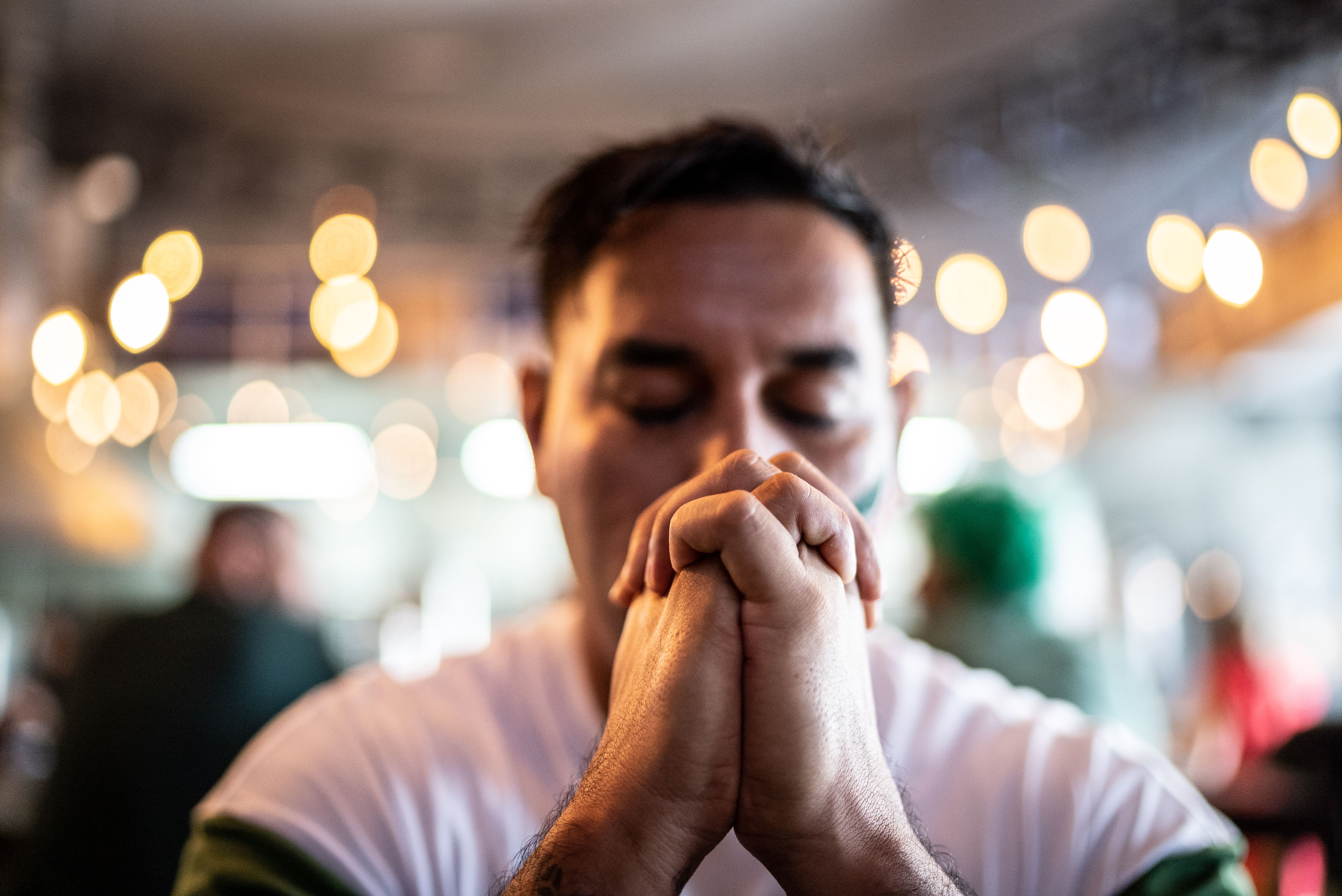
One of the most profound roles that prayer plays in seasonal celebrations is that of expressing gratitude. During Thanksgiving, for example, prayers of thanks are offered for the harvest and blessings received throughout the year. This act of gratitude is not only a reflection of appreciation but also a reminder of the abundance that life offers.
Similarly, during festivals like Hanukkah and Eid al-Fitr, prayers are integral in expressing gratitude for the spiritual and material gifts received. These moments of thanks encourage individuals to reflect on their journey and acknowledge the positive influences in their lives.
Prayer as a Means of Renewal
Seasonal celebrations often mark times of renewal and new beginnings, where prayer is used as a tool for introspection and spiritual rejuvenation. The New Year is a perfect example, with many people engaging in prayers and meditations aimed at setting intentions for the year ahead.

During Lent in the Christian tradition, prayer is part of a larger practice of fasting and reflection, allowing individuals to renew their commitment to their faith. Similarly, during Rosh Hashanah, Jewish prayers focus on introspection and self-improvement, promoting a fresh start for the new year.
The Role of Prayer in Cultural Identity
Prayer in seasonal celebrations also serves as a means of preserving cultural identity. It acts as a conduit for passing down traditions and values from one generation to the next. In Indigenous cultures, for instance, prayers during solstice celebrations are deeply rooted in ancestral practices and serve to maintain a connection to heritage.
By participating in these rituals, individuals reinforce their cultural identity and ensure that the customs and beliefs they hold dear continue to thrive. This transmission of tradition through prayer enriches the cultural tapestry of society as a whole.
The Universal Language of Prayer
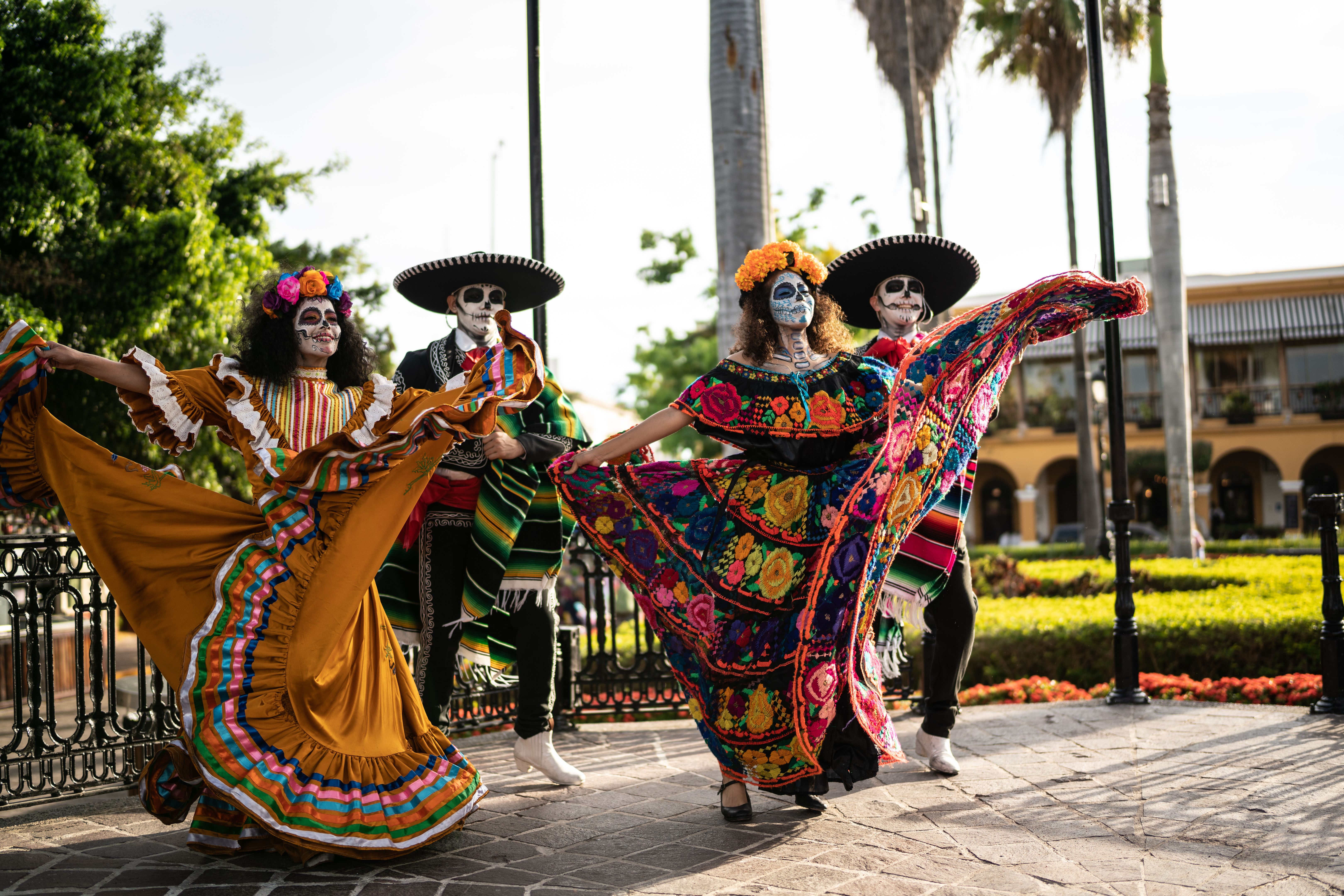
Despite the diversity in practices and beliefs, prayer is a universal language that transcends boundaries. It brings people together in moments of joy, sorrow, hope, and reflection. This shared human experience highlights the commonalities that exist among different cultures and religions.
As we explore the role of prayer in seasonal celebrations, it becomes clear that its significance extends beyond religious doctrine. It is a powerful expression of human connection and spirituality that enriches our lives and communities.