Exploring Different Prayer Practices Around the World


Introduction to Global Prayer Practices
Prayer is a universal expression of spirituality, transcending cultures, religions, and continents. It serves as a bridge between the physical and the divine, providing a sense of peace, guidance, and connection. In this post, we will explore various prayer practices from around the world, each with its unique rituals and significance.
Understanding these diverse methods can enrich our own spiritual practices and promote a greater appreciation for the world's cultural tapestry.
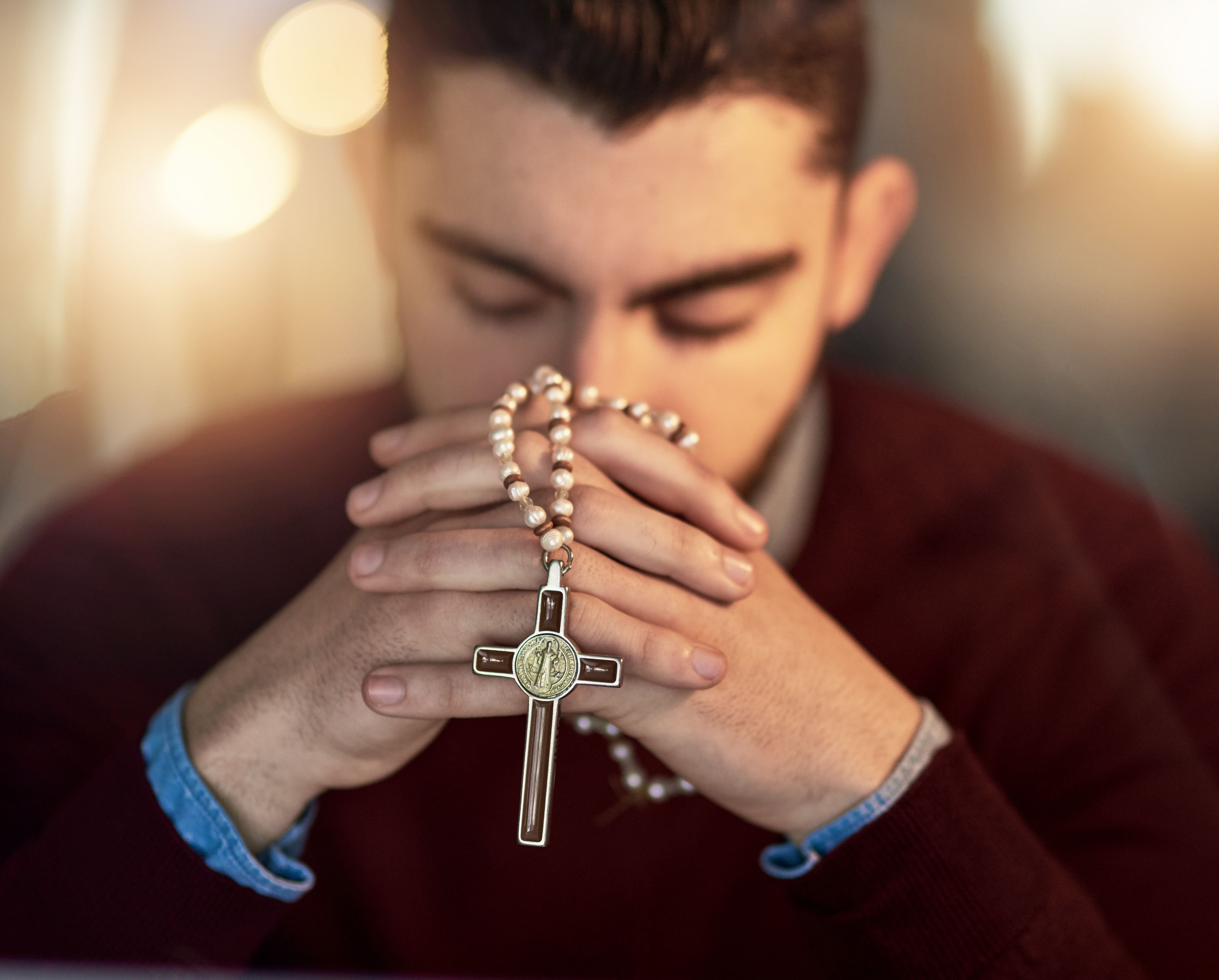
Christianity: The Power of Communal and Personal Prayer
In Christianity, prayer is a vital practice that takes on many forms, including personal, communal, and liturgical prayer. The Lord's Prayer, recited in numerous Christian denominations, is one of the most well-known prayers worldwide. It embodies themes of forgiveness, guidance, and deliverance.
Many Christians also engage in spontaneous personal prayers, seeking a deep, personal connection with God. Additionally, communal prayers during church services foster a sense of unity and shared faith among believers.
Catholic Rosary Prayers
The Rosary is a form of prayer used in the Catholic Church involving the repetition of prayers like the Hail Mary and the Our Father. It is often accompanied by meditation on significant events in the lives of Jesus Christ and the Virgin Mary. This practice aids in focusing the mind and nurturing a contemplative state.
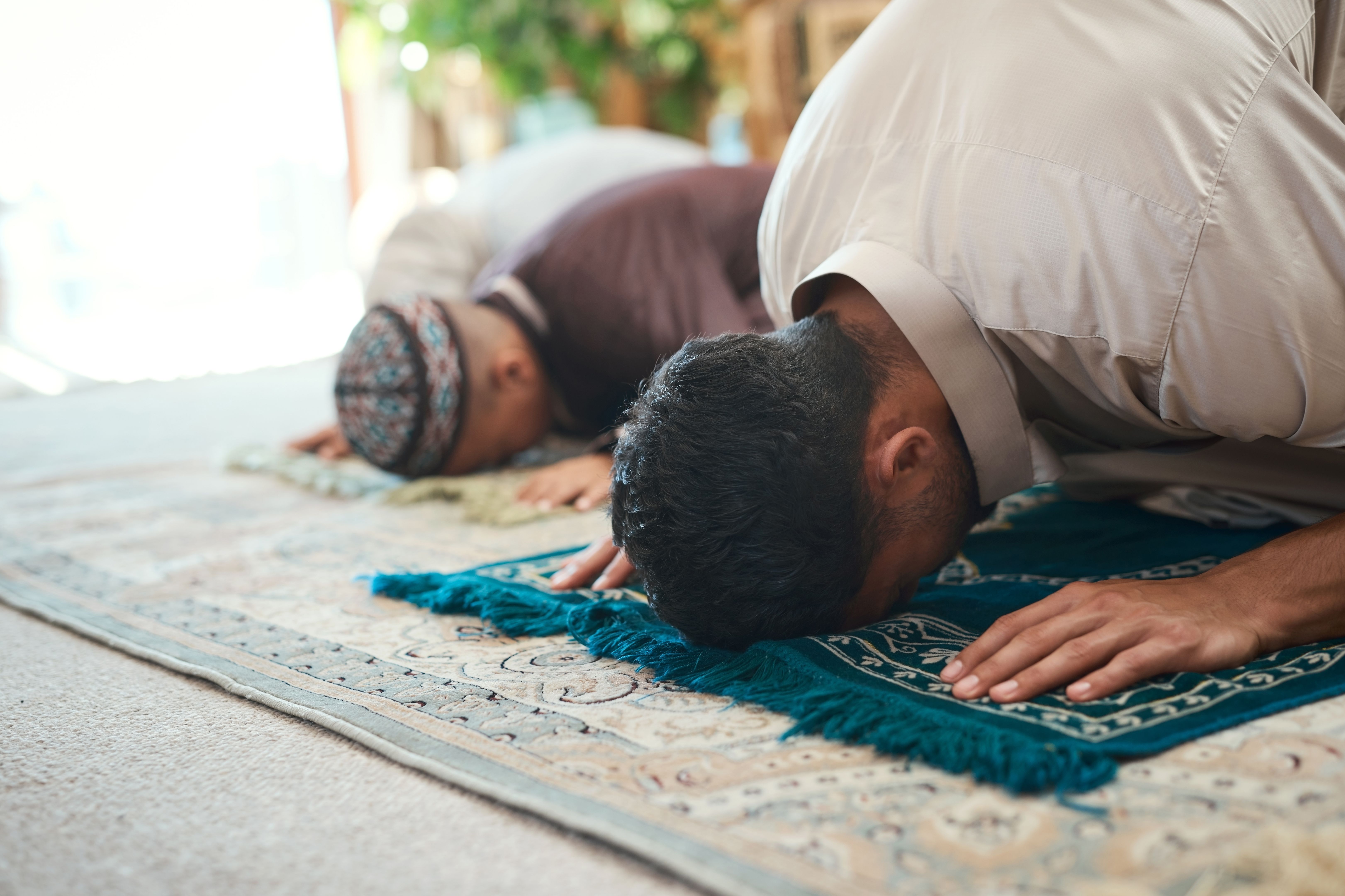
Islam: The Discipline of Salah
In Islam, prayer is one of the Five Pillars and is performed five times a day at specific times. This practice, known as Salah, involves ritualistic movements and recitations from the Quran. Muslims face Mecca during these prayers, symbolizing unity and direction in their devotion.
Salah serves as a reminder of faith throughout the day, helping to maintain a continuous connection with Allah and reinforcing discipline and humility.
Additional Islamic Prayers
Beyond Salah, Muslims engage in other forms of prayer such as Dua (supplications) and Dhikr (remembrance of God). These practices allow for personal reflection and an intimate dialogue with God. They offer flexibility in expressing gratitude, seeking help, or simply contemplating one's faith.
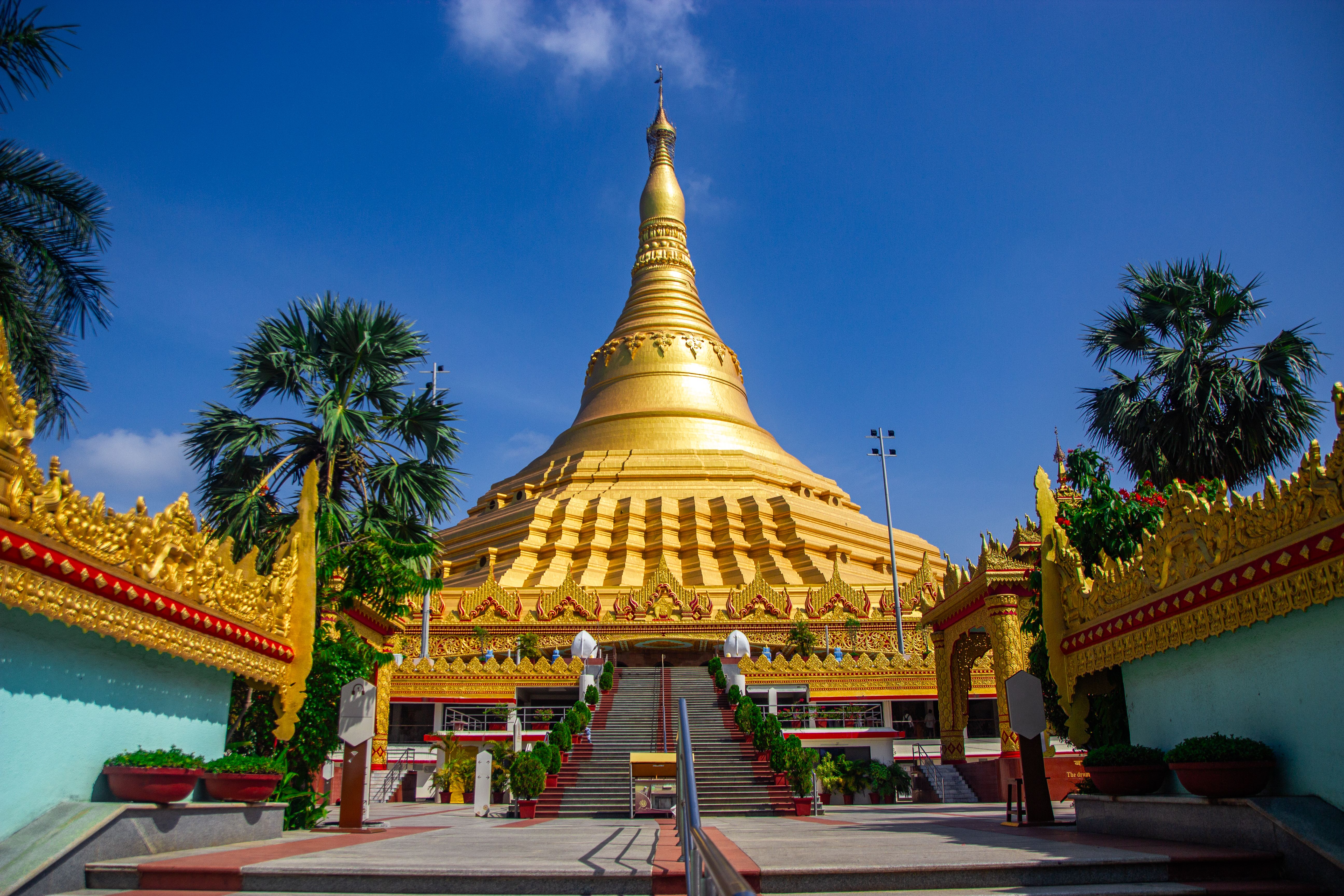
Buddhism: Meditation and Chanting
Buddhist prayer practices often involve meditation and chanting rather than direct communication with a deity. Meditation is considered a path to enlightenment, fostering mindfulness and insight. Chanting, on the other hand, involves reciting mantras or sutras to focus the mind and cultivate positive qualities.
In Tibetan Buddhism, prayer flags are used as symbols of peace and compassion. These flags are believed to carry prayers on the wind, spreading goodwill and harmony.
The Role of Mandalas
Mandalas are intricate designs used in Buddhist prayer practices to aid meditation. Creating or visualizing these patterns helps practitioners concentrate during meditation, facilitating spiritual growth and enlightenment.

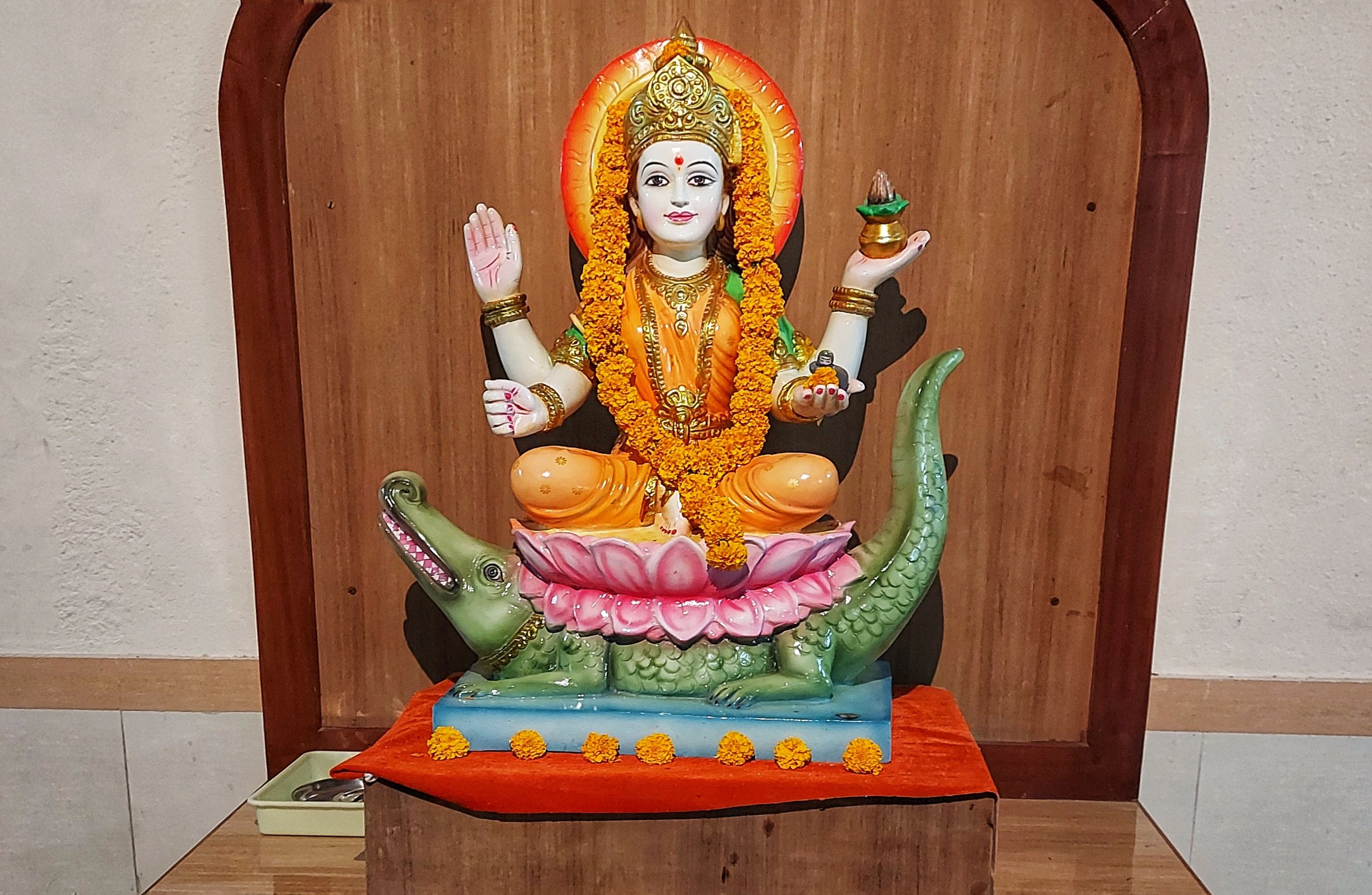
Hinduism: A Multitude of Devotional Practices
Hindu prayer rituals are diverse, reflecting the religion's rich tapestry of deities and traditions. Puja is a common form of worship involving offerings, chants, and prayers to deities at home or in temples. This ritual seeks blessings for prosperity, health, and guidance.
Another important practice is Bhakti yoga, which emphasizes devotion through prayer, song, and dance. This path encourages followers to cultivate love and surrender towards God.
Mantras in Hindu Practice
Mantras are sacred sounds or phrases repeated during Hindu prayers to harness spiritual energy. The most famous mantra, "Om," is considered the sound of the universe and is often used to begin or end prayers.
Conclusion: Embracing Diversity in Prayer
The diverse array of prayer practices around the world reflects humanity's deep-seated desire to connect with something greater than ourselves. Whether through spoken words, silent meditation, or rhythmic movements, each tradition offers valuable insights into spirituality's role in human life.
By exploring these practices, we can foster greater understanding and respect for different cultures and beliefs while enriching our own spiritual journeys.